Scandinavian Home Design | History, Features & Ideas
When you think of a cozy, functional, and stylish home, you might immediately picture a Scandinavian home. The clean lines, natural elements, and minimalist approach make Scandinavian home interior design incredibly popular across the world. But what exactly defines this design style, and how did it change with time? In this blog, we’ll discuss the history of Scandinavian design, the different types of Scandinavian home interior design, and some features that make this style so beloved.
What is Scandinavian Home Design?
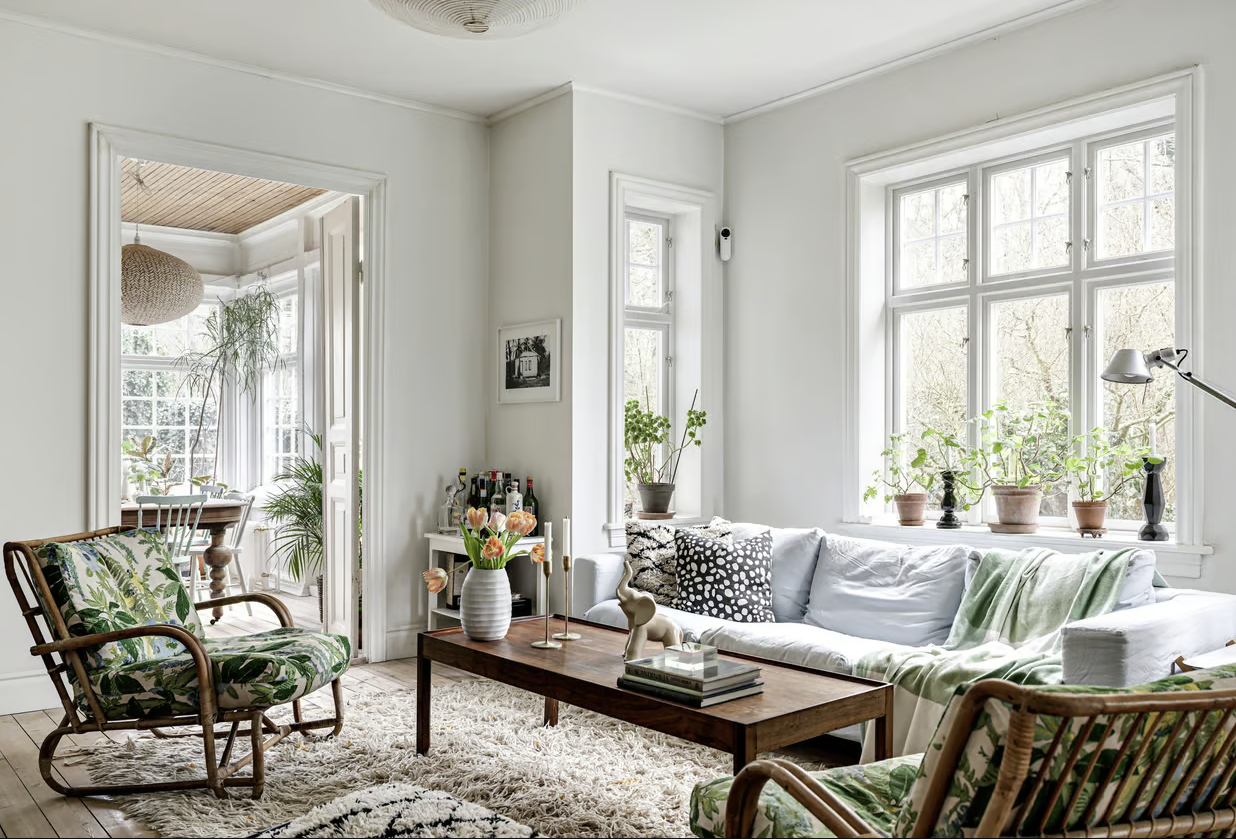
Scandinavian home design is all about simplicity, functionality, and the use of natural materials. Originating from the countries of Denmark, Norway, Sweden, and Finland, this style focuses on creating light, airy spaces that are both practical and beautiful. Scandinavian homes are known for their minimalist approach, fewer things, but with greater thought put into each item. The design emphasizes clean lines, neutral colors, and a tidy environment, helping to promote a sense of calm and order.
In many Scandinavian homes, the connection to nature is really important. This is reflected in the materials used, such as wood, stone, and wool, and the design encourages bringing the outdoors inside through large windows and lots of natural light. It’s a style that celebrates simplicity, functionality, and comfort, perfect for those who appreciate beauty in simplicity.
The History of Scandinavian Interior Design
The roots of Scandinavian home interior design go back to the early 20th century. It became a defining feature of Scandinavian countries after World War II, when the demand for affordable, functional furniture and home interior designs increased. Designers like Arne Jacobsen and Alvar Aalto led the way in creating pieces that were not just functional but also beautiful. During this period, there was a shift towards creating homes that were comfortable, inviting, and suited to the lifestyle of the modern family.
The style also grew from the Nordic people’s need to live in harmony with their harsh environment. With long, dark winters and a scarcity of resources, the design was made by practicality, comfort, and making the most of the limited light available. This history influenced the modern Scandinavian design principles we see today, which include functionality, simplicity, and sustainability.
Types of Scandinavian Home Interior Design
There are several interpretations of Scandinavian home interior design, and while they all share certain characteristics, there are nuances that make each type unique.
Traditional Scandinavian Style
This type of Scandinavian design incorporates elements from the Nordic region’s history, often featuring rustic wood furniture, handmade items, and a mix of textiles like wool, leather, and cotton. This style highlights a sense of warmth and comfort, ideal for colder climates. Expect to see earthy tones, wooden beams, and cozy, layered textiles in these homes.
Scandinavian Modern Home Design
The modern version of Scandinavian design takes a more minimalist approach. It’s all about clean lines, open spaces, and a neutral color palette, with black, white, and grey being the predominant shades. This style favors sleek furniture, geometric patterns, and natural light, creating a clean, airy environment. Scandinavian modern homes often emphasize practicality and multifunctional furniture to maximize space.
Scandinavian Minimalist Design
If you love organized spaces, Scandinavian minimalist design is for you. It focuses even more on simplicity, often with a pared-down color scheme and fewer accessories. Every piece of furniture is chosen for its functionality and aesthetic beauty, ensuring that the space feels balanced and peaceful. In a minimalist Scandinavian home, every item has a purpose.
Scandinavian Boho Style
The boho influence in Scandinavian design brings in a lot of textures, vibrant colors, and eclectic patterns. Unlike the typically neutral Scandinavian palette, boho Scandinavian homes incorporate earth tones, woven rugs, layered throws, and a more relaxed vibe. This style is for those who want to mix the cleanliness of Scandinavian design with the carefree spirit of bohemian interiors.
Key Features of Scandinavian Home Interior Design
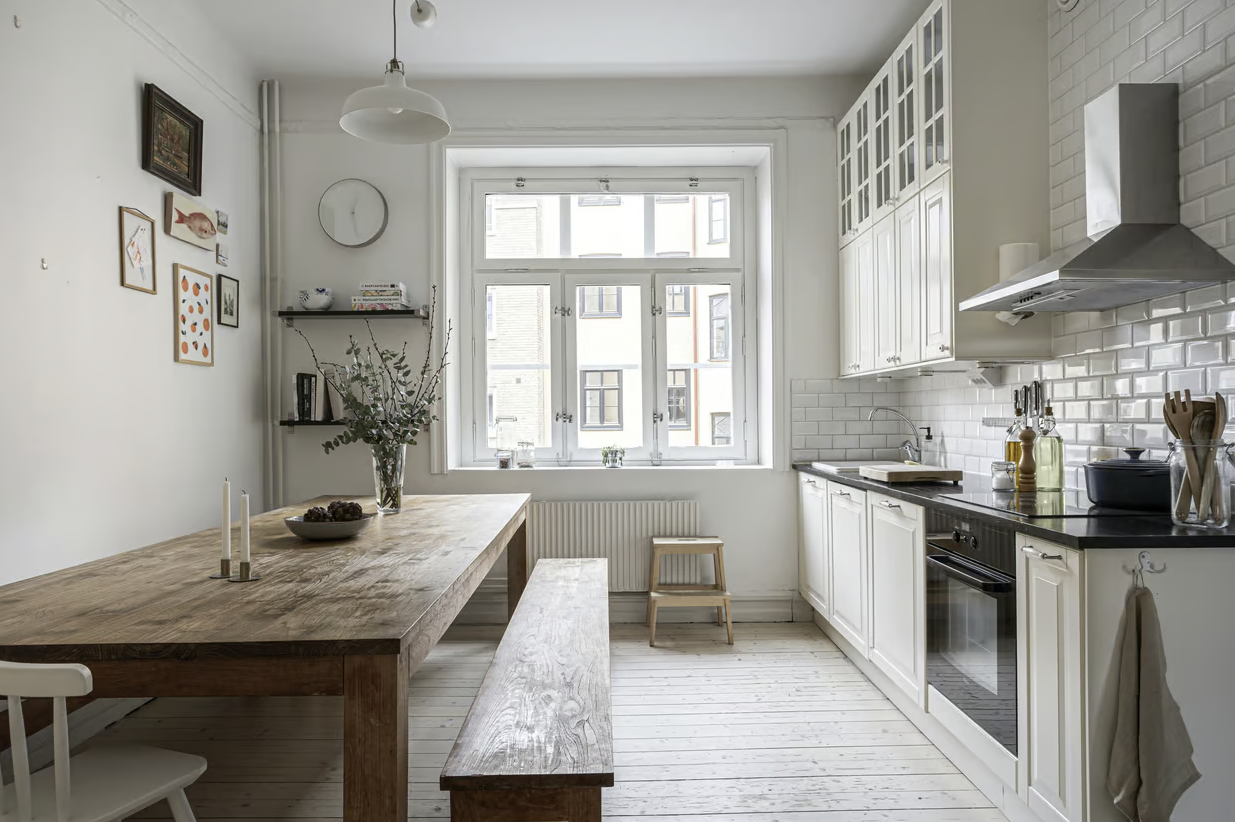
To understand Scandinavian interior design better, it’s important to look at the features that make it stand out. Here are some of the main elements:
Neutral Color Palette
Scandinavian homes often stick to neutral colors like whites, greys, and beiges. These shades help reflect natural light, making rooms appear brighter and more spacious. Occasional pops of color might be used, but they are typically in the form of accessories such as cushions, rugs, or artwork.
Natural Materials
Wood is a cornerstone of Scandinavian interior design. Furniture, flooring, and even wall accents often feature light-colored woods like pine, oak, or birch. Natural materials give the space a warm, welcoming feel. Stone and leather are also popular, often used in accessories like throws or accent walls.
Functional Furniture
One of the core principles of Scandinavian home design is functionality. Furniture is selected not only for its beauty but also for its ability to perform multiple roles. Multifunctional furniture like fold-out tables, storage benches, and modular sofas is common, especially in apartments and smaller spaces.


Bright, Open Spaces
Maximizing light is a priority. Large windows that let in as much natural light as possible are a hallmark of Scandinavian design. White walls help bounce light around the room, and open floor plans make spaces feel bigger and less crowded. Even in winter, Scandinavian homes are bright and welcoming.
Simple, Clean Lines
Scandinavian interior design is minimalistic, with clean lines and geometric shapes. Furniture is often sleek and simple, designed to make a statement through shape rather than embellishment. This simplicity fosters a calm and serene atmosphere in the home.
Cozy Accents
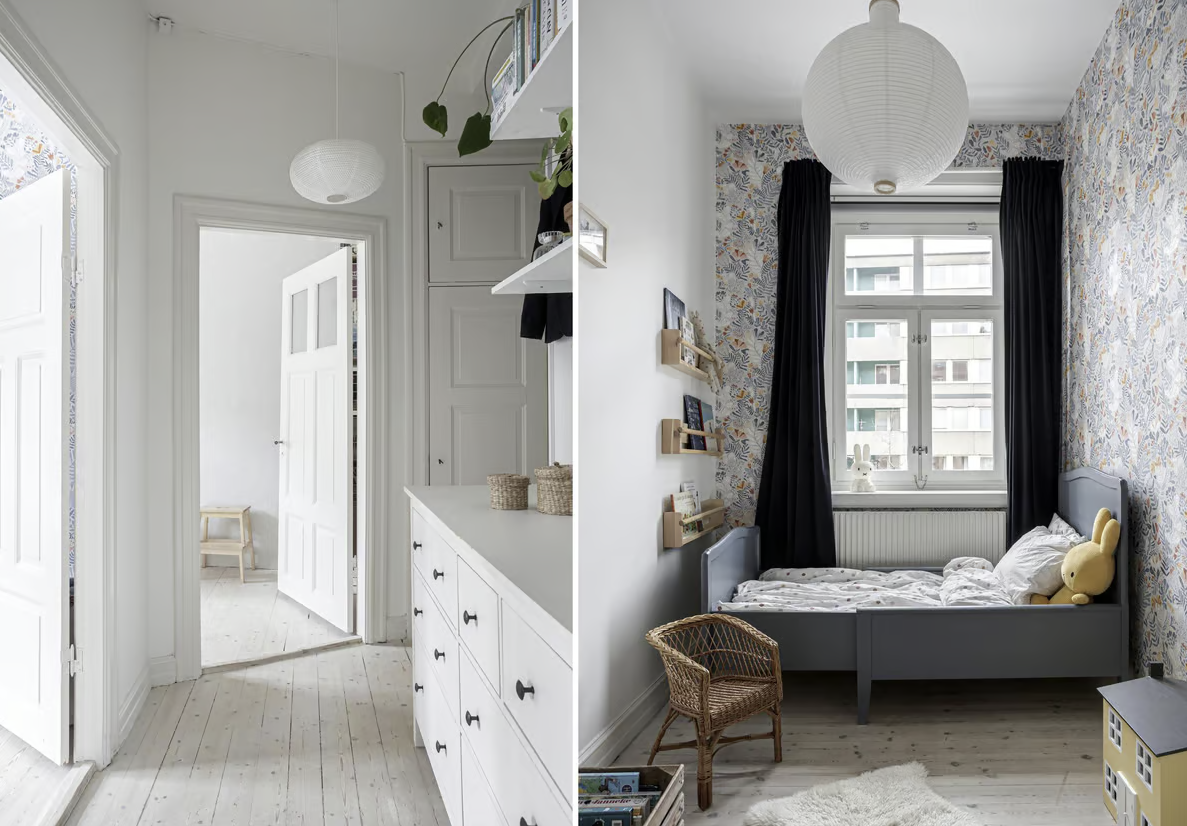
Despite the minimalist approach, Scandinavian homes don’t feel cold or stark. Soft textiles like wool throws, knitted cushions, and linen curtains add warmth and comfort to the space. The focus is on creating a cozy environment where family and friends can relax together.
Scandinavian Interior Design Ideas for Your Home
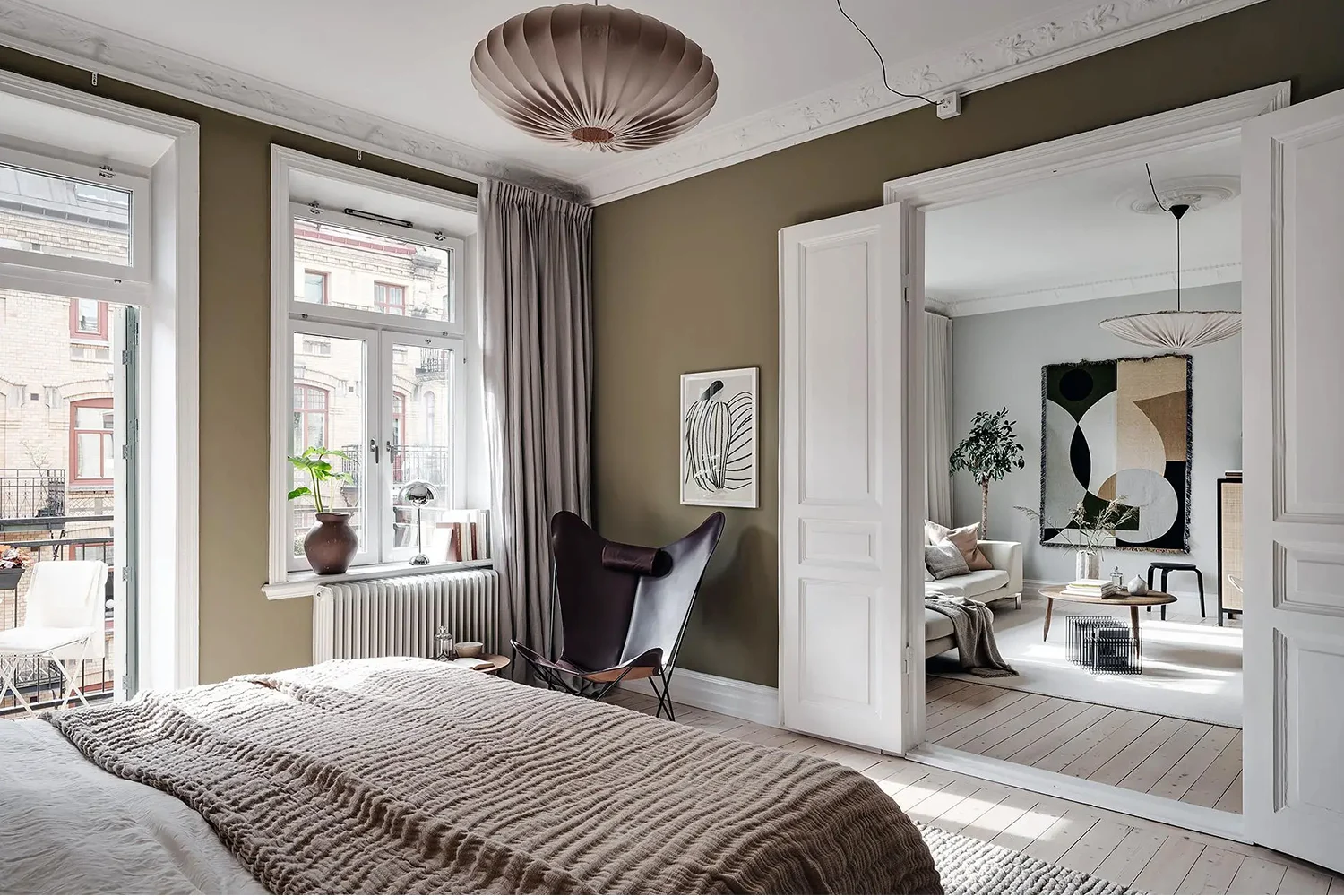
If you’re thinking of making your home with a Scandinavian design, here are some ideas:
Scandinavian Living Room: Keep the furniture simple but comfortable. Choose a clean, neutral sofa with geometric cushions and a wooden coffee table. Add a touch of greenery with some houseplants, and don’t forget the cozy throw blankets.
Scandinavian Bedroom: Use light wood for your bed frame and furniture. Keep the bedding neutral, with soft textures like wool or cotton. Add a few personal touches with artwork or candles to give the room warmth.
Scandinavian Home Office: A Scandinavian home office should feel calm and organized. Use functional furniture like a sleek desk and a comfortable chair. Select a simple color scheme and ensure good lighting, ideally with natural light. A few well-placed plants can help bring nature inside.
Conclusion
Scandinavian home interior design is all about simplicity, functionality, and creating a warm, inviting space that reflects your personality. Whether you're looking to redesign your living room, create a peaceful bedroom retreat, or set up a stylish home office, Scandinavian design can offer ideas that are both timeless and practical. The minimalist approach, paired with a strong emphasis on natural materials and functionality, has made this style a favorite across the globe.
By incorporating a few elements of Scandinavian design into your space, you can make your home a functional, cozy, and beautiful haven. Whether you prefer a more traditional style or lean toward modern Scandinavian home design, there’s something in this design ethos for everyone to love.
