10 Colonial Style Homes Interior Design Ideas
Colonial-style homes carry a history in their structure and design. They originated from early American architecture and consisted of symmetrical facades, wooden interiors, and details that showed their elegance.
Their interior features a design where rooms are arranged around a central space, with sturdy furniture made from natural wood, and an atmosphere that feels both formal and welcoming.
Even after centuries, the Colonial aesthetic continues to influence how people decorate their homes. Its appeal lies in the way it combines history with comfort and makes the space look familiar and nostalgic.
In this article, we will share ten popular Colonial home interior designs and show how these classic elements can still fit beautifully into modern living. For anyone looking for unique home interior design ideas, this is a must-read!
What Are Colonial-Style Homes?
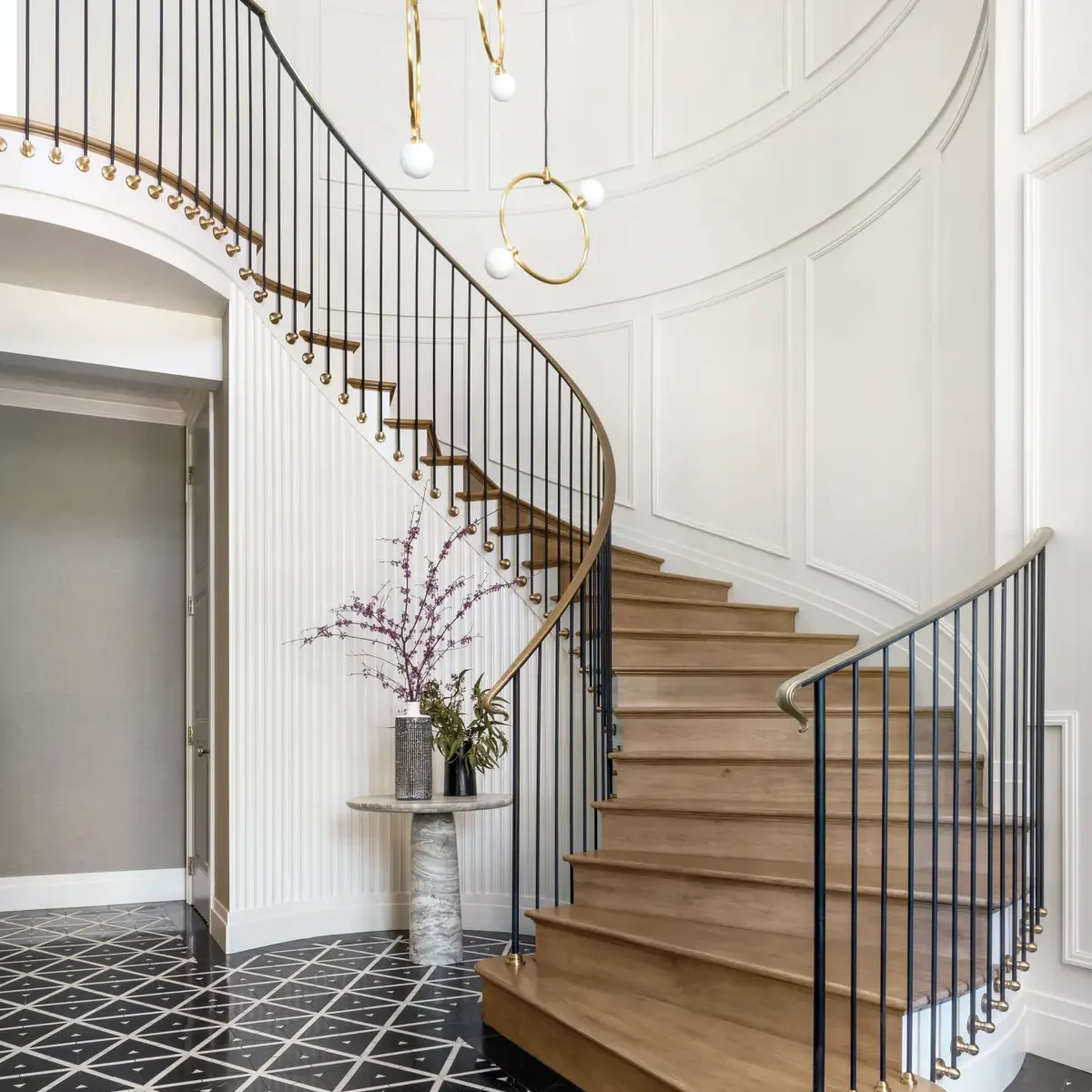
Colonial-style homes trace their roots back to early American architecture, which was later shaped by European settlers who valued proportion and craftsmanship. These homes are usually symmetrical, with a centered front door, evenly spaced windows, and a balanced layout. Inside, the design features wooden floors, paneled walls, and a classic feel in every room.
- Most Colonial homes are two or three stories tall with a rectangular or square shape.
- Wooden materials like oak, pine, or mahogany are commonly used for floors and furniture.
- The interiors often include fireplaces, crown molding, and staircases at the center of the home.
- Colors stay neutral, soft whites, creams, and muted blues or greens, to create warmth and harmony.
- Decorative touches are subtle with a focus on quality and balance rather than ornate designs.
Are Colonial Style Homes Still Popular in the USA?
Colonial-style homes continue to hold a strong place in the U.S. housing market, even in 2025. Their balanced proportions and traditional design are appealing to homeowners who value both history and comfort.
Recent data support their ongoing popularity. According to a Realtor analysis from June 2025, Colonial-style homes, including traditional American variations, make up nearly half of all active single-family listings in the country. This means about 49.8% of the homes currently on the market follow a Colonial-inspired design.
Their continued demand is often due to affordability, easy maintenance, and flexible layouts that suit both traditional and modern lifestyles.
Colonial Style Home Interior Design Ideas
Colonial interiors focus on creating spaces that feel structured yet welcoming. The style’s strength lies in the details like natural materials, classic patterns, and well-proportioned layouts that bring order to a room.
The 2025 home trends and designs have undergone significant evolution. So, modern designers reinterpret the Colonial-style features with lighter colors, simplified decor, and updated materials. Below are ten Colonial home interior design ideas that can work beautifully in today’s homes.
1. Keep a Balanced Layout
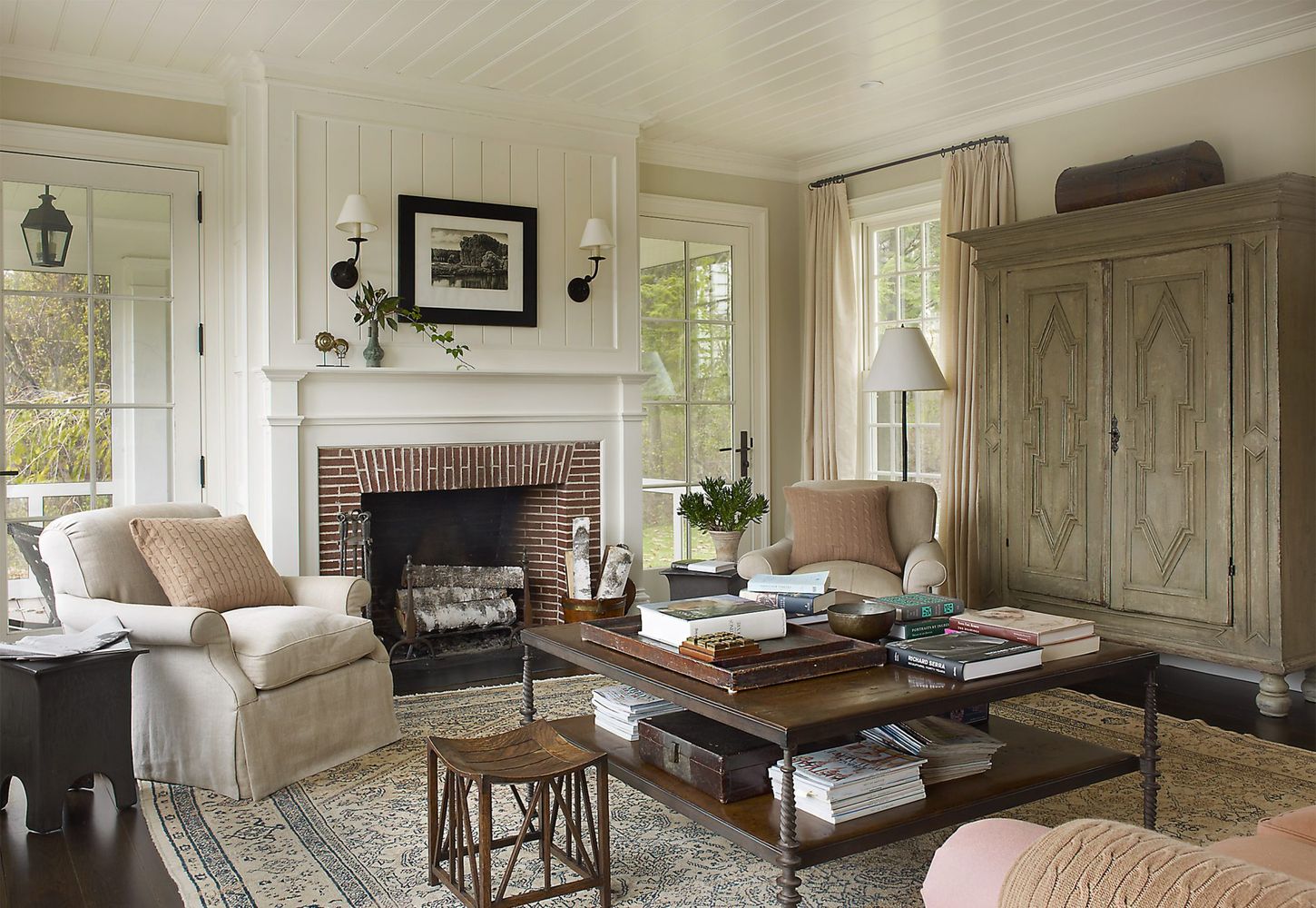
Colonial interiors rely on symmetry, so start by arranging furniture evenly around a central feature, usually a fireplace or window. Place matching chairs or side tables on each side to maintain balance. If the room allows, use a centered rug or lighting fixture to anchor the layout.
2. Use Natural Wood Elements
Wood plays a central role in Colonial homes. Floors made of oak or pine have warmth and authenticity, so use those. Also, add exposed ceiling beams or wood-paneled walls for texture. If you’re updating an older space, refinish existing wood or use reclaimed materials for a traditional look that won't feel outdated.
3. Incorporate Classic Molding and Trim
Wall paneling, crown molding, and wainscoting are defining features of Colonial interiors. These architectural details made simple walls look elegant. Even small additions like trim around doorways or baseboards can make a noticeable difference. Paint them in a soft white or cream to maintain a cohesive look.
4. Choose a Soft, Neutral Color Palette
Colonial homes feature calm, earthy tones that give a reflection of nature. Shades of beige, off-white, gray, and muted blue work well for walls. Paired them with darker wood tones in furniture. If you want a bit of contrast, deep green or brick red accents can complement the traditional palette.
5. Highlight the Fireplace
In many Colonial homes, the fireplace was the center of family life, and it still serves as a strong visual anchor today. Keep the mantel simple with minimal decor, or use it to display framed art, candles, or a mirror. If you don’t have a working fireplace, a decorative mantelpiece can still bring the authenticity of the Colonial style.
6. Add Antique or Reproduction Furniture
Furniture in Colonial homes is usually sturdy, functional, and made from solid wood. You can try simple silhouettes with straight legs and minimal ornamentation. Genuine antiques add authenticity, but well-crafted reproductions can achieve the same effect at a lower cost. A classic wooden dining table or spindle-back chair can easily become the centerpiece of a Colonial-inspired room.


7. Use Traditional Textiles
Fabrics play a big role in softening Colonial interiors. Choose natural materials like linen, cotton, or wool for upholstery and curtains. Patterns such as plaids, stripes, or small florals echo the historical feel. Layer these fabrics through cushions, tablecloths, and bedding without cluttering the space.
8. Choose Vintage-Style Lighting
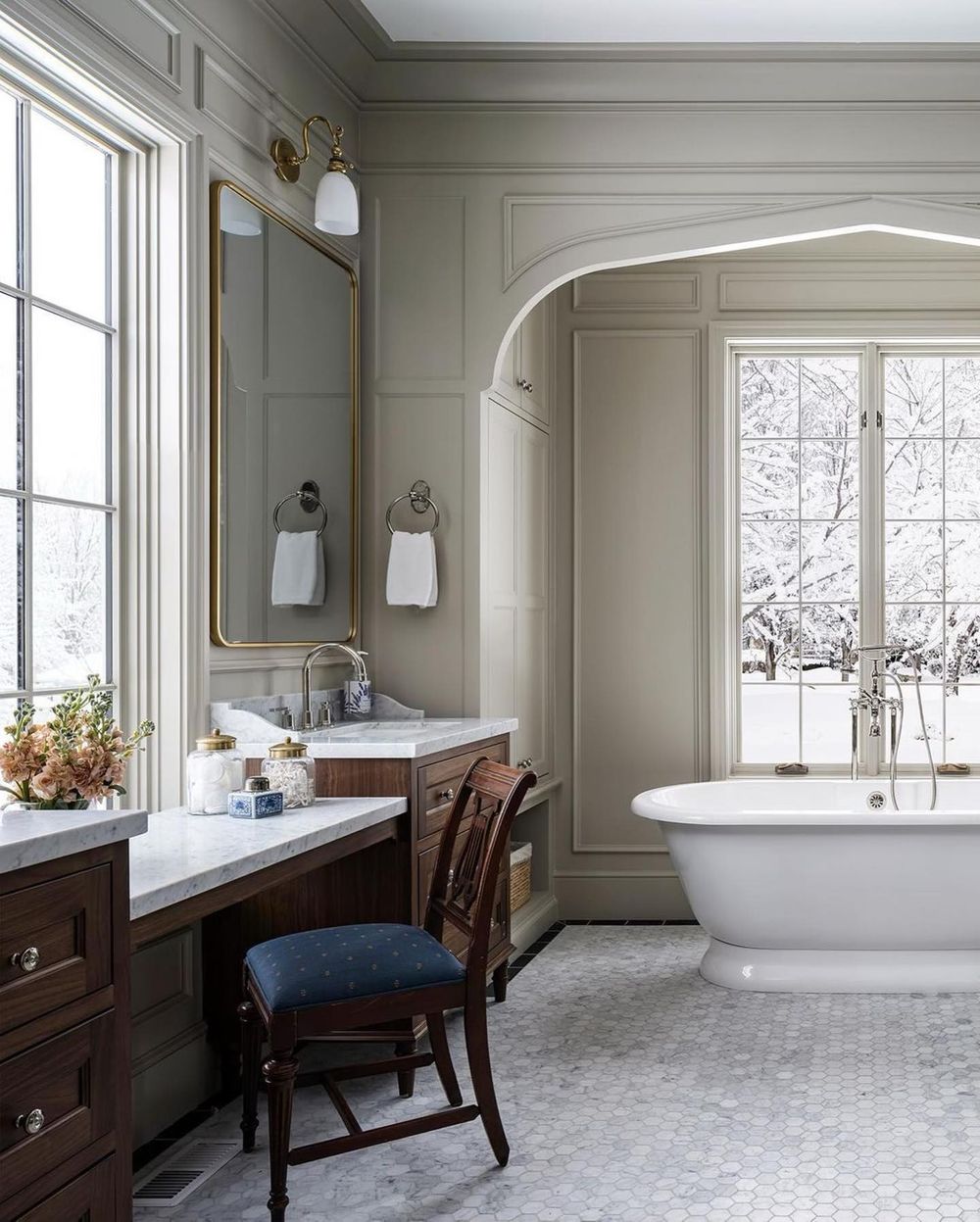
Lighting in Colonial-style interiors is warm. Wrought iron chandeliers, brass sconces, or lantern-style fixtures fit the look perfectly. If you want to add a modern touch, use LED bulbs inside classic frames. Candlestick-style lamps on side tables can also recreate the cozy glow typical of early American homes.
9. Decorate with Subtle Historical Accents
Decorative pieces should feel meaningful rather than ornamental. Framed maps, old portraits, pottery, or handmade baskets give personality to the space. Display a few vintage books or a wall clock with traditional detailing to give the home a classic feel, but keep that display minimal.
10. Blend Old with New
Modern Colonial home interior design often mixes historical structure with today’s style and comfort. Keep traditional elements like moldings, wood tones, and symmetry, but simplify the decor and introduce lighter materials. For instance, a classic wooden table paired with a neutral sofa placed against paneled walls can create a balanced but modern look. This approach keeps the spirit of Colonial design alive while giving you a chance to incorporate modern living.
Want to Design Your Colonial-Inspired Home?
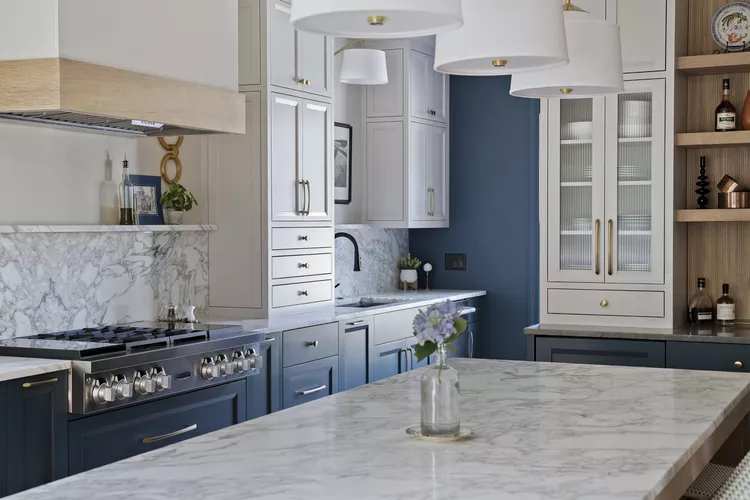
To design a Colonial-inspired home, you need an eye for balance, proportion, and detail. This involves selecting the right wood finishes and creating layouts that feel both traditional and comfortable, while every choice contributes to the harmony of the space. Sometimes, all you need is a home interior designer to achieve that classic Colonial look, and one who ensures that every design is according to modern living needs.
Conclusion
Colonial-style interiors remain a standout for their balance, warmth, and enduring character. They show that good design does not need to be complicated, just thoughtful and well-crafted. Every element works together to create a calm, inviting space. These homes remind us that tradition can still feel fresh, and small design choices can keep their timeless charm alive for years to come.
